This analysis goes beyond simply introducing place names and maps for three locations in the Kanto region. Instead, it re-examines them by separating them into examples of external rumors and local government/cultural property records. Here, for each location, it shows, in the same order, which legends can be confirmed by historical documents and what remains unknown about the supernatural phenomena. Maintaining the premise that the publication of rumors does not prove the existence of the phenomena, usage conditions and safety information are placed at the end.
Survey methods and evaluation criteria
The rumor pages are treated as secondary publications indicating the circulation of the stories. Information on the nature of the location, preservation and usage guidelines, and descriptions of local traditions were checked from local government, cultural affairs agency, and tourism documents, and each short, atomic claim was categorized as supported, unconfirmed, or contradictory. The mere absence of a supernatural occurrence in official documents was not considered a discrepancy. The ranking scores reflect the quality of the source material and do not represent the truthfulness of the horror or supernatural aspects.
| Rank | point | The main points of the rumor | judgement | Document quality |
|---|---|---|---|---|
| 1 | Yawata no Yabushira | The travelogue about Yawata no Yabushirazu describes a place considered off-limits, a small bamboo grove surrounded by a fence, and recounts the legend that once you enter, you can never leave. The article also mentions the local torii gate and shrine, but… | Partial match | 84/100 |
| 2 | Oujagaike Pond | The secondary summary of the legend of Ojagaike Pond includes a story about a giant snake and the sound of weaving, connecting the act of circling the pond with mysterious events. While the main text presents the legend in an easy-to-read format... | Partial match | 80/100 |
| 3 | Hachioji Castle Ruins | A secondary article about the Hachioji Castle ruins discusses the mysterious stories surrounding the Goshuden Waterfall and how the castle ruins came to be known as a haunted spot. The article also touches upon the history of the historical site… | Undeterminable | 76/100 |
1st Place: Yawata no Yabushirazu | Partial Match (84 points)
The rumored details
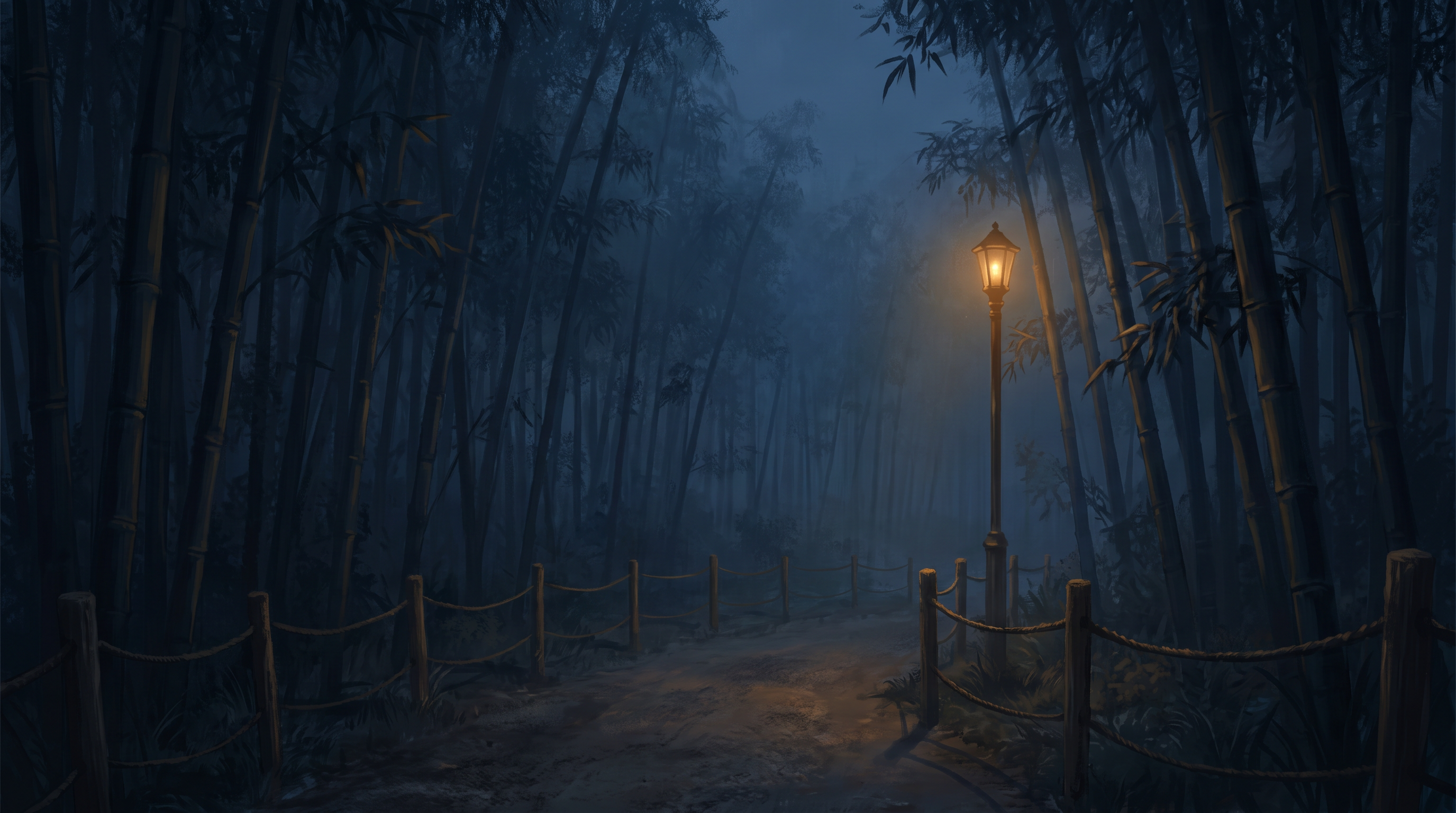
The travelogue about Yawata no Yabushirazu describes a small bamboo grove surrounded by a fence, considered a forbidden area, and introduces the legend that once you enter, you can never leave. The article mentions the local torii gate and shrine, but does not provide any source indicating who told the story or when. Therefore, this paper will treat the legend that "once you enter, you can never leave" separately from the claim that supernatural phenomena actually occur there.
Source of the rumor and date of verification
As an example of external publication, I found a visit report on note on September 10, 2026. The text is a secondary publication combining narratives of the forbidden area with on-site observations, and the compiler, the time when the tradition was established, and the primary record cannot be identified from the text. It can be used as material to indicate the existence of rumors, but it is not material that independently confirms the phenomena described therein.
- Note visit report: Yawata no Yabushirazu(Verification Date: 2026-09-10) — A secondary publication example that includes narratives of the area as a forbidden zone, legends that once you enter you can never return, and observations of the fenced-off site.
Things that could be confirmed from official and primary source materials
The introduction to Ichikawa City explains that there is a torii gate and shrine in a small bamboo grove across from the city hall, and includes a legend that says you can never leave once you enter, and that you will be cursed. It also indicates that there are multiple theories about its origin. The city's text is an introduction to legend and not a record that officially recognizes any individual paranormal phenomena, so the signs and guidance from the administrator take precedence regarding the conditions of use at the site.
- Ichikawa City: Yawata no Yabushirazu(Confirmed on 2026-09-10) — City documents introducing the bamboo grove across from the city hall, the torii gate and shrine, the legend of being unable to escape or a curse, and multiple theories about its origin.
Points of agreement/contradictions
The legend that "once you enter, you can never get out" is recorded as a legend in Ichikawa City documents, and is plausible to the extent that the legend is presented. However, no official records that can be compared to the part where supernatural phenomena actually occur could be found within this scope of comparison. Since the publication of the legend and the existence of the phenomenon are not treated as the same thing, the two claims were treated as separate results.
| The rumored atomic claim | Matching results | reason | Corresponding documents |
|---|---|---|---|
| A legend states that "once you enter, you can never get out again." | support | The Ichikawa City archives introduce a legend of the same nature, allowing us to compare the limited scope of the collection of legends. | Ichikawa City: Yawata no Yabushirazu |
| Supernatural phenomena actually occur | Unconfirmed | Neither the visit report nor the Ichikawa City documents contain any records that independently confirm the phenomenon along with the date, time, and conditions. | No official data available for direct comparison. |
Alternative interpretation
The Ichikawa City documents explain that there are multiple theories regarding its origin. Therefore, it is not possible to determine the origin of the legend based on a single explanation. While elements of the location, such as the torii gate, shrine, and bamboo grove, may have influenced how the story was received, we will refrain from concluding a specific cause based solely on the documents we have examined.
Scope and limitations of the investigation
I compared the example posted on note with the description of Ichikawa City. I was unable to access the original interview transcripts referenced in the visit report, the initial recording of the tradition, or the update history of the on-site signage. Furthermore, I could not find any independent records that could verify the occurrence of the phenomenon along with the date and conditions, so the part about the phenomenon remains unconfirmed.
Verification results: Partial match
The legend of Yawata no Yabushirazu, which states that "once you enter, you can never leave," is also mentioned in Ichikawa City documents, so the existence of the legend can be confirmed. On the other hand, no independent documents supporting the actual occurrence of supernatural phenomena can be found. In order not to use the inclusion of the legend as evidence of the phenomenon, the aggregated judgment was made as partial agreement.
Document Quality Score
| Source transparency | 27/30 | External publications and city documents were separated by URL, access date, and text summary. |
|---|---|---|
| Historical and spatial context | 22/25 | City documents explain the location and multiple theories about its origin. The specific document coverage and verification dates for each location were compared. |
| Safety information | 17/20 | A safety notice prioritizing on-site signage and administrator guidance was placed. The location-specific document scope and verification date were compared. |
| Newness of information | 10/15 | The acquisition date and original hash will be fixed within the revision. |
| Transparency of the source of rumors | 8/10 | The travelogue was clearly marked as a secondary publication with an unknown original publication date. The location-specific data scope and verification date were cross-referenced. |
| total | 84/100 | This is the overall quality of the materials. It does not represent the degree of truthfulness or danger associated with the supernatural phenomena. |
Safety information and maps
The city's information is intended to explain the history and origins of the place, and is not a document granting permission to enter. Prioritize the fences, signs, and guidance from the administrators at the site, and do not recommend entering the grounds or exploring at night. If you are considering taking photographs or visiting, choose actions that do not obstruct traffic in the surrounding area or disrupt the use of the facility.
2nd place: Oujagaike|Partial match (80 points)
The rumored details
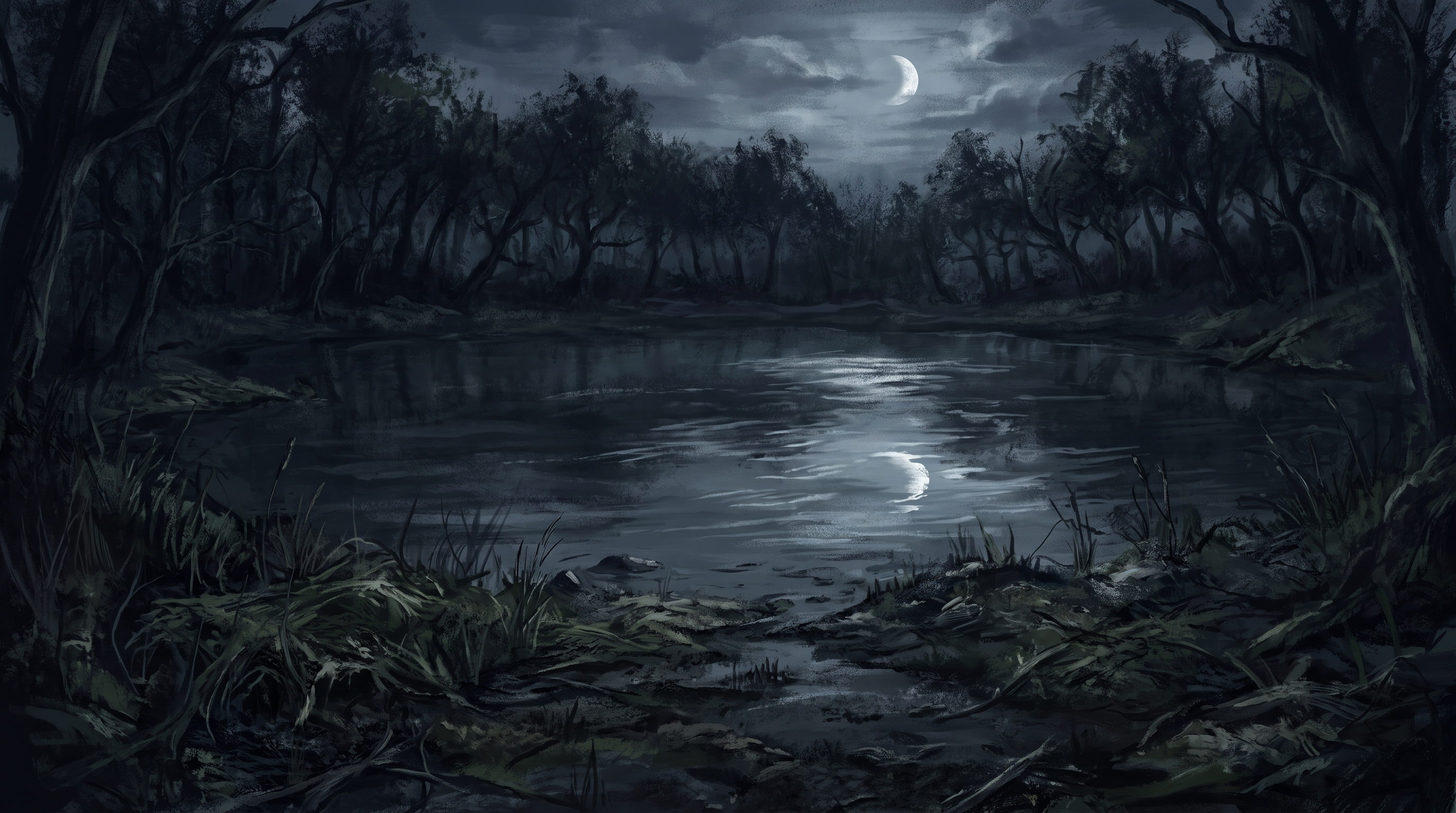
The secondary summary of the legend of Ojagaike Pond includes a legend of a giant snake and the sound of weaving, and a narrative that connects the act of circling the pond with mysterious events. While the main text presents the legend in an easy-to-read format, it does not provide any documentation verifying the original publication, the time when the narrative originated, or individual experiences. In this paper, we will distinguish between the legend of the giant snake and the sound of weaving itself and the claim that supernatural phenomena occur when one circles the pond.
Source of the rumor and date of verification
As an example of external publication, I checked the Ojagaike Pond page on the "Exploring Japanese Folklore" website on September 10, 2026. The page is a secondary introduction linking the pond, the giant snake, and the sound of weaving, and no clear reference to the original source can be found in the text. While it can be confirmed that the rumor is still being discussed, it will not be treated as an observational record of an individual event.
- Exploring Japanese Folklore: Ojagaike Pond(Confirmed on 2026-09-10) — This is a secondary publication compiling stories about a giant snake, the sound of weaving, and a pond; the original publication date cannot be identified from the text.
Things that could be confirmed from official and primary source materials
Togane City describes Ojagaike Pond as an artificial lake and mentions legends of a giant snake and the sound of weaving. The Chiba Prefecture official tourism website provides information on hiking, fishing, boating, and parking. These materials explain local folklore and daytime usage information, and do not indicate that phenomena occur by walking around the lake or endorse nighttime use.
- Togane City: Ojagaike Pond(Verification Date: 2026-09-10) — Documents from Togane City explaining the formation of the artificial lake and its surrounding area, and also introducing the legend of the giant snake and the sound of weaving.
- Chiba Prefecture Official Tourism: Ojagaike Pond(Verification Date: 2026-09-10) — Official Chiba Prefecture tourism guide showing information on activities such as hiking, fishing, boating, and parking.
Points of agreement/contradictions
The legend of the giant snake and the sound of weaving is also mentioned in the Togane City records, so its inclusion in local documents is justifiable. On the other hand, there is no administrative documentation or observational records to verify the part about supernatural phenomena occurring when one circles the area. Information used in tourist guides does not indicate the veracity of the legend, so the two claims were evaluated separately.
| The rumored atomic claim | Matching results | reason | Corresponding documents |
|---|---|---|---|
| The Legend of the Great Serpent and the Sound of Weaving | support | The Togane City records introduce the legend of the giant snake and the sound of weaving, allowing us to verify the scope of the document's inclusion of the legend. | Togane City: Ojagaike Pond |
| If you go around in a circle, supernatural phenomena will occur. | Unconfirmed | Neither secondary publications nor official usage guidelines contain any records that independently link the act of circling the area with the occurrence of the phenomenon. | No official data available for direct comparison. |
Alternative interpretation
The Togane City documents include the pond's formation and legends within the same description, while the tourist information provides usage details. Historical narratives of the region and guidance for current walks and waterfront use serve different purposes. It is impossible to determine the cause of specific paranormal events solely from the order of information presented or the location descriptions.
Scope and limitations of the investigation
We compared three sources: a secondary publication, information from Togane City, and official Chiba Prefecture tourism information. We have not yet found the original recording of the legend, the time period of the story, or a record that describes the phenomenon under conditions that would allow for its reproduction. We have not assumed that matters not mentioned in the official guide are permitted or denied, nor have we drawn conclusions about the use of the loop or nighttime facilities from the text.
Verification results: Partial match
The legend of the giant snake and the sound of weaving at Ojaga Pond is included in the Togane City records, so we can confirm that it is a limited introduction of the legend. However, we cannot find any independent evidence to support the claim that supernatural phenomena occur when one walks around the pond. To avoid interpreting the legend as proof of phenomena, we have noted a partial agreement.
Document Quality Score
| Source transparency | 26/30 | Rumors, local government information, and tourist information were fixed as separate sources. |
|---|---|---|
| Historical and spatial context | 21/25 | Both the explanation of the artificial lake and local legends can be found. The location-specific data range and the date of verification were cross-referenced. |
| Safety information | 17/20 | A safety notice prioritizing waterfront use and on-site signage was placed. The location-specific data scope and verification date were cross-referenced. |
| Newness of information | 9/15 | The timestamp and hash of this text will be retrieved and saved to the receipt. |
| Transparency of the source of rumors | 7/10 | In the secondary compilation, it was explicitly stated in the text that the original source was unknown. The location-specific scope of the materials and the date of verification were compared. |
| total | 80/100 | This is the overall quality of the materials. It does not represent the degree of truthfulness or danger associated with the supernatural phenomena. |
Safety information and maps
The official Chiba Prefecture tourist information is for daytime walks and waterfront activities, and does not indicate permission for nighttime use. Prioritize the waterfront conditions, weather, on-site signs, and guidance from the administrators, and avoid areas with restricted access or solo activities during dark hours.
3rd Place: Hachioji Castle Ruins | Undecided (76 points)
The rumored details
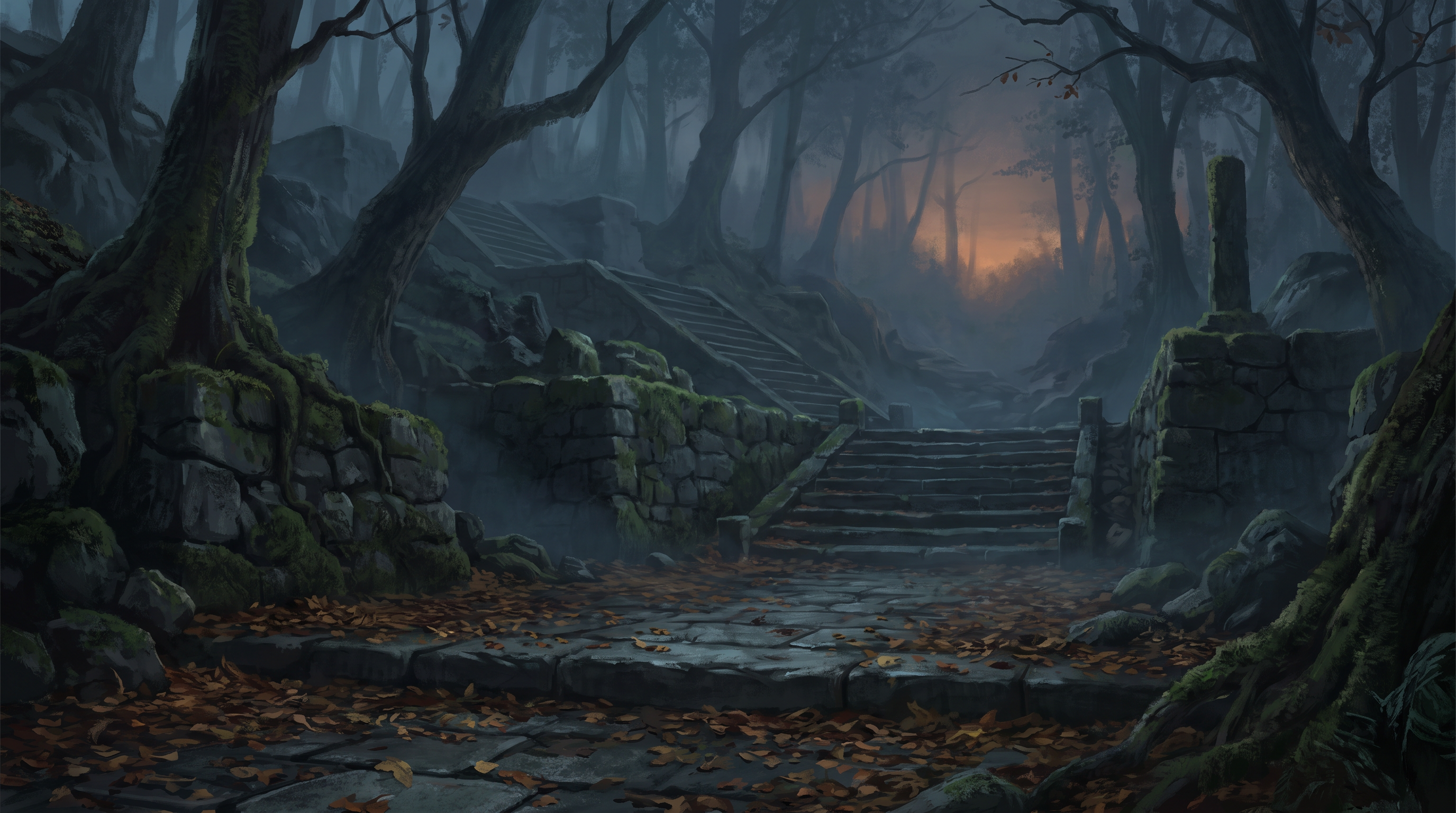
The secondary article dealing with the Hachioji Castle ruins focuses on the mysterious stories surrounding the Goshuden Waterfall and how the castle ruins came to be introduced as a haunted spot. While the article touches on the history of the historical site, it is not a record of observations of individual paranormal phenomena. In this paper, we will separate and compare the mysterious stories surrounding the Goshuden Waterfall with the claims that special phenomena occur there at night.
Source of the rumor and date of verification
As an example of external publication, we found an article in Urban Life on September 10, 2026. The article is a secondary article introducing the spread of stories surrounding the Hachioji Castle ruins, and it is not possible to uniquely identify individual phenomenon records or original source materials from the text. The fact that a rumor is introduced and the fact that the phenomena included in it have been independently confirmed are treated separately.
- Urban Life: An Introduction to Hachioji Castle Ruins(Verification Date: 2026-09-10) — A secondary article dealing with how stories about Hachioji Castle ruins and the Goshuden Waterfall are circulating as haunted spots.
Things that could be confirmed from official and primary source materials
Hachioji City provides information on walking trails, the administration building, and parking at the historical site, and advises visitors to refrain from visiting at night or late at night. The Agency for Cultural Affairs database lists Hachioji Castle Ruins as a nationally designated historical site, recording its location and historical information. Both are materials related to the preservation and use of historical sites, and are not materials that certify supernatural phenomena.
- Hachioji City: Hachioji Castle Ruins(Date confirmed: 2026-09-10) — Hachioji City document outlining the operating hours of the historical site's walking trails, the management building and parking lot, and a warning against visiting at night or late at night.
- Agency for Cultural Affairs: Hachioji Castle Ruins(Verification Date: 2026-09-10) — A database from the Agency for Cultural Affairs showing the location of the nationally designated historic site and cultural property information related to the Hachioji Castle ruins from the 18th year of the Tensho era.
Points of agreement/contradictions
While the mysterious narrative surrounding the waterfall at the main palace is included in a secondary article, no records directly comparing the same phenomenon can be found in the documents of Hachioji City or the Agency for Cultural Affairs. The claim that special phenomena occur at night cannot be confused with nighttime warnings for administrative purposes. In order to avoid repurposing general history such as the fall of the castle as evidence for the supernatural occurrences, both atomic claims have been left unconfirmed.
| The rumored atomic claim | Matching results | reason | Corresponding documents |
|---|---|---|---|
| A mysterious tale about the waterfall at the main hall | Unconfirmed | While it is mentioned in secondary articles, no records that allow for a direct comparison of the same phenomenon can be found in city or Agency for Cultural Affairs documents. | No official data available for direct comparison. |
| A special phenomenon occurs at night. | Unconfirmed | The city's nighttime warnings are for administrative purposes only and do not constitute evidence that the phenomenon is actually occurring. | No official data available for direct comparison. |
Alternative interpretation
While secondary articles treat the history of the historical site and its reputation as a haunted spot in the same context, materials from local governments and the Agency for Cultural Affairs aim at preservation, history, and user guidance. Because the purposes of the materials differ, the facts about the historical site do not directly explain the supernatural occurrences. Within the scope of what I have reviewed, there are no materials that definitively determine when and how the narratives spread.
Scope and limitations of the investigation
We compared three sources: Urban Life, Hachioji City, and the Agency for Cultural Affairs. We could not find any primary records of the Goshuden Waterfall, records showing the phenomenon with dates and conditions, or the first appearance of the rumor. The city's nighttime warning is a safety and management notice and is not material to confirm or deny the phenomenon, so we will not broaden our judgment.
Verification result: Indeterminate
While a mysterious narrative can be found in secondary articles about the Hachioji Castle ruins, no comparable official records were found that support the same claims. The fact that it is a historical site and historical information alone cannot be used to support the supernatural occurrences, nor can nighttime caution be used as evidence for the phenomena. Due to the lack of comparable material, a conclusion cannot be reached.
Document Quality Score
| Source transparency | 25/30 | Secondary articles, city documents, and the Agency for Cultural Affairs database are presented separately. The scope of location-specific materials and the date of verification were compared. |
|---|---|---|
| Historical and spatial context | 21/25 | The nationally designated historical site and its user guide can be cross-referenced. The specific scope of the materials for each location and the date of verification were also compared. |
| Safety information | 16/20 | This allows for clear indication of warnings regarding nighttime and undeveloped areas. The specific data coverage for each location was matched with the verification date. |
| Newness of information | 8/15 | The acquisition time and raw body hash are recorded in the revision. |
| Transparency of the source of rumors | 6/10 | The original source of the secondary article is unknown, and observation records are absent. The location-specific data range and confirmation date were cross-referenced. |
| total | 76/100 | This is the overall quality of the materials. It does not represent the degree of truthfulness or danger associated with the supernatural phenomena. |
Safety information and maps
Hachioji City is advising visitors to refrain from visiting at night or late at night and to avoid entering undeveloped areas. Since historical sites are subject to management and preservation, prioritize opening hours, designated walking paths, and on-site signage, and do not explore at night or enter restricted areas. Maps are not a substitute for guidance from the administrators.
What I learned by crossing locations
At Yawata no Yabushirazu and Ojagaike, the administrative documents themselves introduce local legends, confirming that the legends are recounted. On the other hand, at Hachioji Castle Ruins, it was not possible to confuse the history of the historical site with the supernatural narratives in secondary articles, and no comparable records of phenomena were obtained. What the three locations have in common is that even if the location and history can be confirmed, that alone does not support individual supernatural claims. What differs is the administrative context of being a restricted area, a pond, and a historical site, and the guidance that should take priority for safety reasons.
summary
At all three locations, we were able to verify external rumors and official/administrative documents separately. While Yawata no Yabushirazu and Ojagaike shared some similarities because their legends could be traced through official documents, no supernatural phenomena were confirmed. Hachioji Castle Ruins could not be directly compared with historical records or accounts of strange occurrences, making a determination impossible. If additional information becomes available, we will update the rumor text, source, claim matrix, and verification date.
FAQ
If a rumor is documented in administrative records, does that mean the phenomenon is also factual?
No. The inclusion of a legend in administrative documents indicates that the narrative exists in local history or introductory texts. It does not independently prove that an individual paranormal phenomenon occurred.
Are claims not included in official documents considered inconsistent?
No. We don't consider it a discrepancy simply because the documents have different purposes. A discrepancy is only considered if there are clear differences in comparable facts such as subject matter, timing, or purpose.
Is it okay to visit at night after looking at the map?
No, you cannot. The map is only for assistance in confirming the location. Prioritize the latest information from the administrator, including opening hours, closing times, weather, and cultural property protection conditions, and avoid nighttime exploration or entering areas outside of designated zones.
How to read this article and safety precautions
" [2026 Latest] Top 3 Ranking of Ghostly Rumors in Forests and Waterfronts in the Kanto Region This is an article compiled by the Horror Tales File editorial team as a story, based on publicly available information, rumors circulating in the community, and information submitted by readers. It does not definitively state the authenticity of paranormal phenomena.
- We do not recommend visiting restricted areas, private property, abandoned buildings, or dangerous locations at night.
- If you go to the site, always prioritize compliance with laws and regulations, instructions from facility managers, and consideration for nearby residents.
- You can submit personal experiences, correction requests, and deletion requests through the "Personal Experiences/Information Submission" or "Contact Us" sections.
View editorial policy / Please share your experiences and information here. / inquiry